- cwf.forum@gmail.com
- Tahachal, Ward no: 13, Kathmandu Metropolitan City, Bagmati Province, Nepal.
- 977-1-5372506
Events / Activities Details
14
Aug
A Policy Dialogue on Climate Change, its impact on Food Security and its challenges
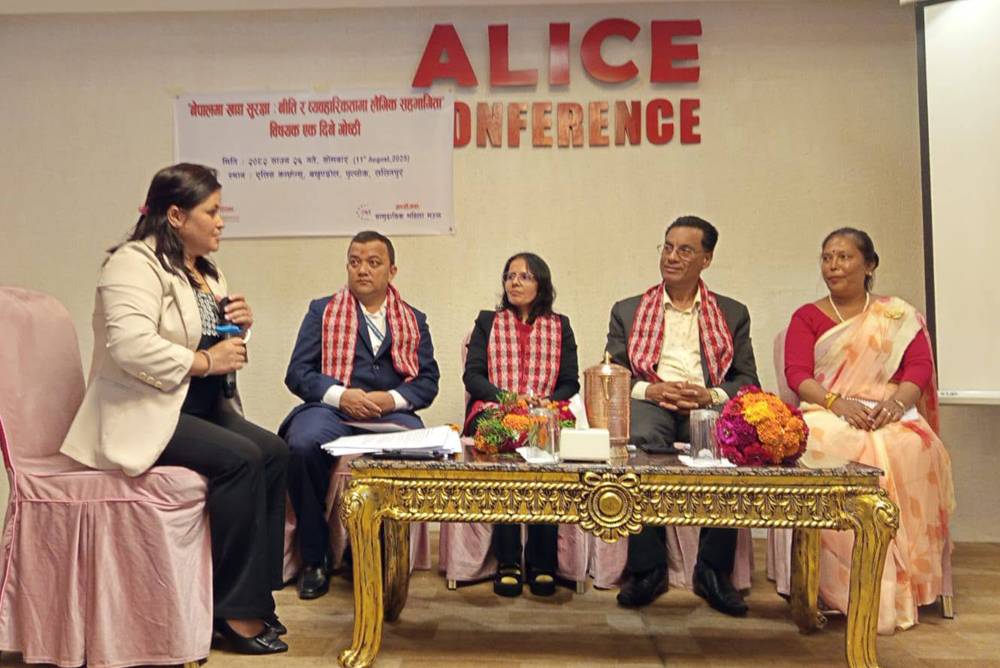
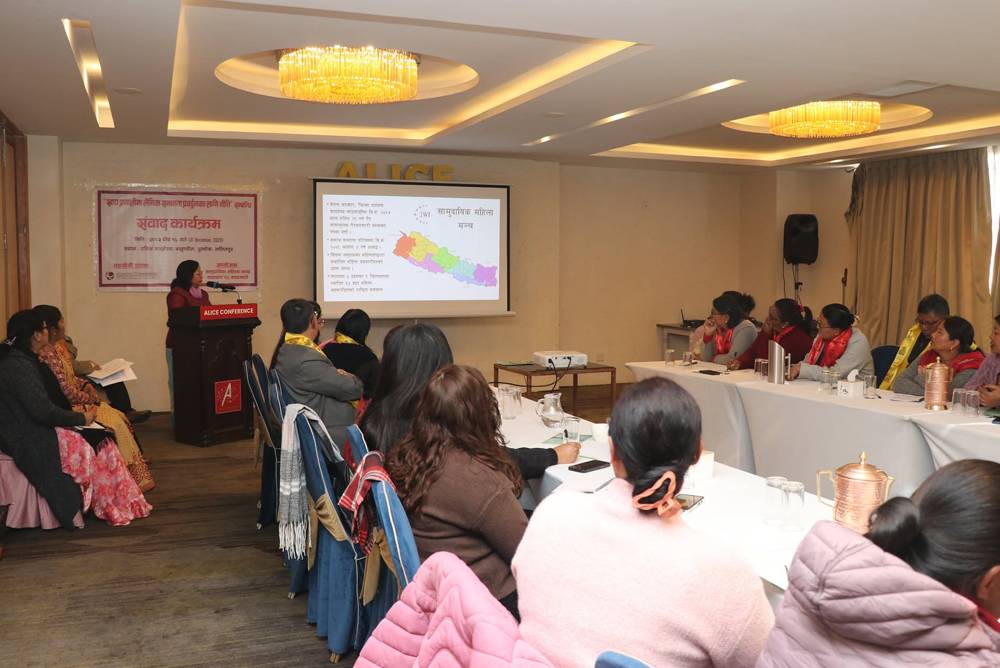
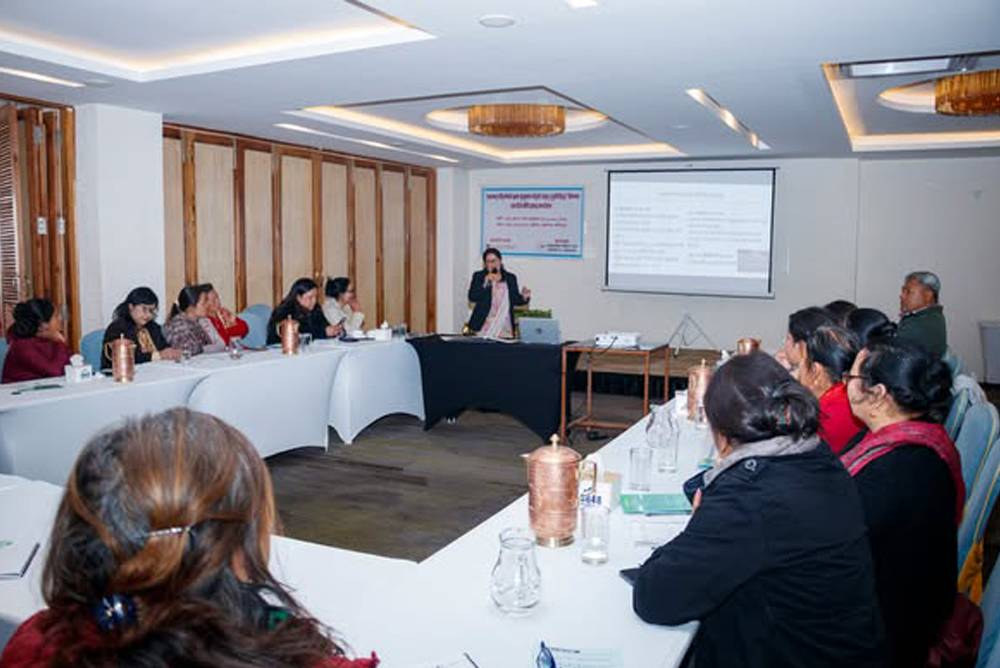
On 25 January 2026, the Community Women Forum (CWF) organized a Policy Dialogue on Climate Resilient and Gender Transformative Food Systems in Lalitpur. The event brought together representatives from federal and local governments, civil society organizations, academia, development partners, and community leaders to address the growing intersection of climate change, food insecurity, and gender inequality in Nepal.
Nepal remains one of the world’s most climate vulnerable countries, with floods, droughts, and other climate-induced disasters threatening agricultural productivity and household nutrition. Although the Constitution guarantees the Right to Food and the Right to a Clean Environment, women, Dalits, Indigenous Peoples, and marginalized farmers continue to face structural barriers in accessing land, credit, technology, markets, and decision-making spaces. Participants emphasized that while existing policies are largely gender-responsive, they fall short of transforming the unequal power relations embedded within food systems.
The dialogue highlighted practical solutions already underway at local levels, including women targeted agricultural grants, climate risk mapping, community seed banks, water harvesting systems, and promotion of climate smart practices such as drought tolerant crops and raised bed farming. However, significant gaps persist in coordination, gender analysis in budgeting, outcome based monitoring, and integration of research evidence into policy processes.
Key recommendations called for institutionalizing gender- and climate-responsive budgeting, strengthening multi-sectoral coordination, formalizing research entry points into planning cycles, and investing in women’s leadership and market access. Participants stressed that empowering women in agriculture is not only a matter of equity but a prerequisite for sustainable food security and climate resilience.
The workshop concluded with a shared commitment to move beyond token participation toward genuine transformation, ensuring that food security in Nepal is grounded in equity, accountability, and inclusive governance.